
How Smart Security Helps Protect Loved Ones When You’re Away
Life doesn’t stop when you’re at work, travelling interstate, or simply away from home for a few hours. Yet for many Australians, one concern remains constant: “Are my loved ones safe?”
Whether it’s a child walking home from school, an elderly parent living independently, a family member with additional support needs, or a partner working late shifts, being physically apart can create anxiety. Fortunately, modern smart security technology is transforming the way families stay connected and protected.
Today, wearable safety devices with GPS tracking, SOS alerts, fall detection, and two-way communication provide an extra layer of security when you can’t be there in person. Instead of constantly worrying, families can stay informed and respond quickly when assistance is needed.
Why Traditional Safety Methods Are No Longer Enough
For years, mobile phones were considered the primary way to stay connected with loved ones. However, phones aren’t always practical.
Children may forget to carry them. Seniors may struggle with complex smartphone interfaces. Phones can run out of battery, be misplaced, or simply be inaccessible during an emergency.
This is where dedicated personal safety devices offer a significant advantage.
Unlike smartphones filled with apps, notifications, games, and distractions, purpose-built safety wearables focus on what matters most:
- Real-time location tracking
- Emergency SOS assistance
- Fall detection
- Direct communication
- Safe zone monitoring
- Health and wellbeing monitoring
These features work together to create a safety network that remains active throughout the day.
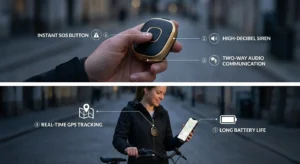
Real-Time GPS Tracking Provides Peace of Mind
One of the biggest benefits of smart security technology is knowing where your loved ones are when it matters most.
Modern safety wearables use a combination of GPS, Wi-Fi positioning, and cellular network tracking to provide accurate location information across a variety of environments. This multi-layered approach helps maintain visibility whether someone is outdoors, inside a shopping centre, at school, or visiting a healthcare facility.
For families, this means:
- Parents can check that children arrived safely at school.
- Adult children can monitor elderly parents during walks or outings.
- Caregivers can quickly locate vulnerable individuals who may become disoriented.
- Employers can enhance lone worker safety.
Instead of relying on unanswered phone calls, location updates provide reassurance in real time.
Instant SOS Alerts When Every Second Counts
A medical incident, personal safety concern, or unexpected fall can happen in seconds. In these moments, quick communication can make all the difference.
Smart safety devices feature dedicated SOS buttons designed to be simple and accessible. With a single press, the wearer can trigger emergency alerts, initiate a two-way voice call, and share their live location with nominated contacts.
Because the process is immediate and straightforward, users don’t need to unlock a phone, search for contacts, or navigate complex menus.
For parents, caregivers, and family members, receiving an instant notification means they can assess the situation and take action without delay.
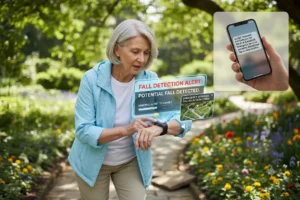
Fall Detection Adds Protection When Someone Can’t Ask for Help
One of the most valuable innovations in personal safety technology is automatic fall detection.
Falls are a major concern for older Australians, people recovering from surgery, and individuals living independently. In many cases, a person may be unable to reach a phone or press an emergency button after a serious fall.
Advanced wearable devices can detect sudden impacts and changes in movement patterns. If a significant fall is detected and the wearer remains inactive, emergency alerts can be triggered automatically.
This feature provides an additional safety net for the following:
- Seniors living alone
- Individuals with mobility challenges
- People with health conditions
- NDIS participants
- Family members recovering from illness or injury
Knowing that help can be requested even when a loved one cannot physically initiate it offers enormous peace of mind.
Safe Zones Help Families Stay Connected Without Constant Checking
Many families don’t want to continuously track their loved ones throughout the day. Instead, they simply want confirmation that important routines are being followed safely.
Smart security devices solve this through geo-fencing technology.
Families can create virtual safe zones around locations such as:
- Home
- School
- Work
- Aged care facilities
- Community centres
- Sporting venues
When the wearer enters or leaves these designated areas, automatic notifications are sent to caregivers or family members.
This allows loved ones to maintain their independence while still providing reassurance that everything is progressing as expected.
Health Monitoring Provides Additional Reassurance
Safety isn’t only about emergencies.
For many families caring for ageing parents or vulnerable relatives, ongoing health awareness is equally important.
Modern wearable safety devices now integrate health monitoring features such as:
- Heart rate monitoring
- Blood oxygen (SpO₂) tracking
- Blood pressure monitoring
- Activity tracking
These insights can help caregivers identify changes in wellbeing and support informed healthcare conversations.
Having health and safety information available in one connected platform creates a more complete picture of a loved one’s overall well-being.
Supporting Independence Without Sacrificing Safety
Perhaps the greatest benefit of smart security technology is that it supports independence rather than restricting it.
Children gain confidence while travelling independently. Seniors maintain freedom without feeling constantly supervised. Individuals with additional support needs can participate more actively in everyday life.
Safety devices such as the Saf O’ Me S7 Mini and S11 Band are specifically designed to balance protection with freedom. Whether it’s discreet GPS tracking, emergency assistance, fall detection, two-way communication, or health monitoring, these tools help families remain connected without being intrusive.
Final Thoughts
Being away from loved ones no longer has to mean being disconnected from their safety.
With advances in GPS tracking, SOS technology, fall detection, health monitoring, and smart alerts, families can stay informed and respond quickly when needed.
Smart security wearables provide more than just technology—they deliver confidence, reassurance, and peace of mind. Whether you’re caring for children, supporting elderly parents, or looking after vulnerable family members, the right safety solution helps ensure that help is always within reach, even when you’re miles away.
Frequently Asked Questions
How does a GPS safety device help protect loved ones?
A GPS safety device allows trusted family members or caregivers to view a user’s location in real time, receive emergency alerts, and respond quickly if assistance is needed.
What happens when the SOS button is pressed?
When activated, the SOS function can initiate a two-way call, send emergency notifications, and share the wearer’s live location with nominated contacts.
Can safety wearables detect falls automatically?
Yes. Many advanced wearable safety devices include built-in sensors that can detect significant falls and automatically trigger alerts if the wearer is unable to respond.
Are GPS trackers suitable for seniors?
Absolutely, GPS safety wearables are commonly used by seniors to provide location visibility, fall detection, emergency assistance, and health monitoring while supporting independent living.
What are Safe Zones in a smart security device?
Safe Zones are virtual boundaries created around important locations such as home, school, or work. Caregivers receive notifications when the wearer enters or leaves these areas.
Do wearable safety devices require a smartphone?
Not always, Devices such as the Saf O’ Me S7 Mini and S11 Band can operate independently using a SIM connection, providing GPS tracking, SOS alerts, and two-way calling without requiring the wearer to carry a smartphone.