
Signs Your Elderly Parent May Need a Personal Safety Device
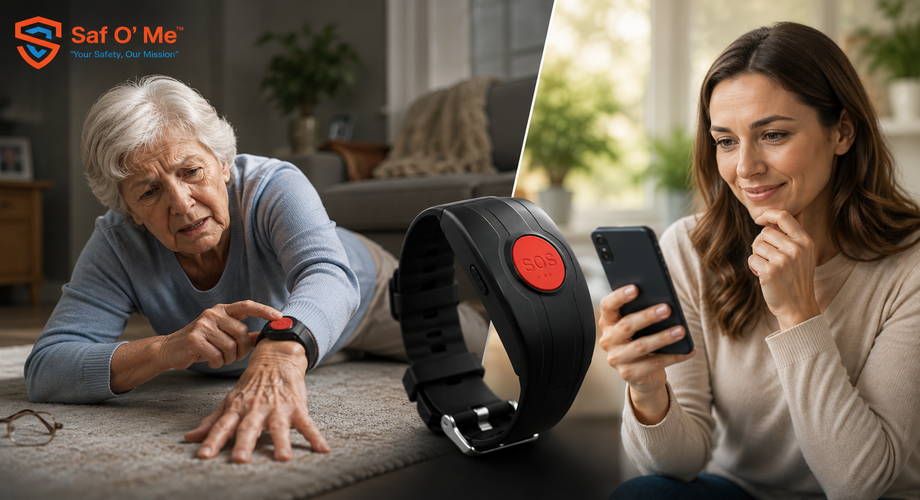
As our parents age, one of the most difficult challenges families face is balancing independence with safety. According to the Australian Institute of Health and Welfare, falls are a leading cause of injury-related hospitalisations among older Australians. Most older Australians want to continue living in their own homes, maintaining their routines, and enjoying the freedom they’ve worked hard for. However, age-related health changes can increase the risk of falls, medical emergencies, wandering, or situations where help isn’t immediately available.
The good news is that modern personal safety devices can provide an extra layer of protection without taking away independence. Devices with GPS tracking, SOS alerts, health monitoring, and fall detection help seniors stay safe while giving families greater peace of mind.
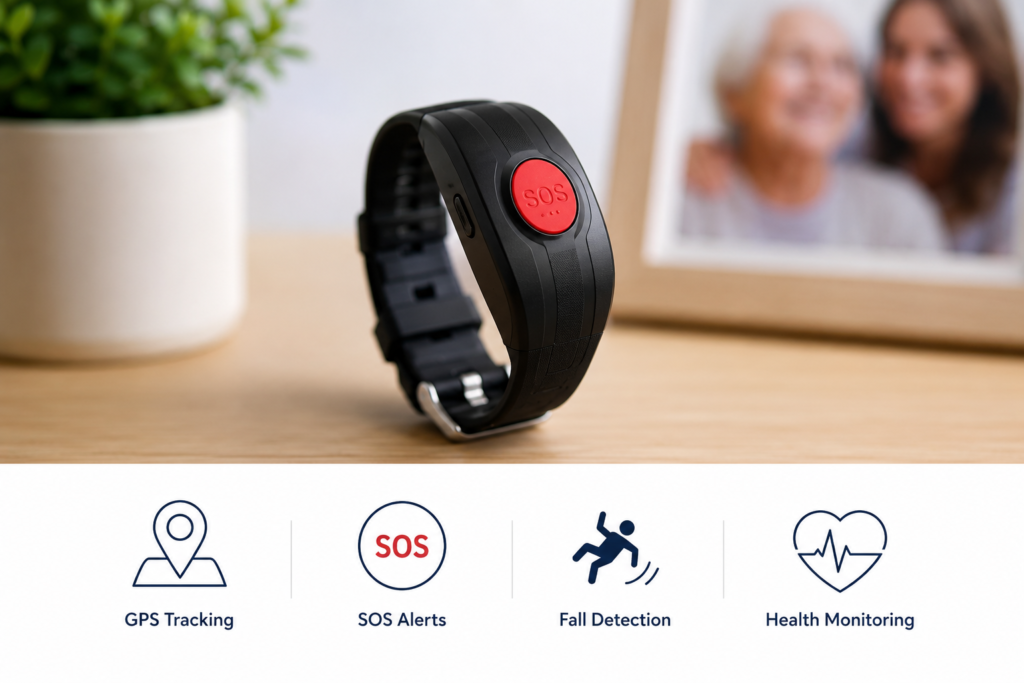
Modern wearable safety devices such as the Saf O’ Me S11 Band combine GPS tracking, SOS alerts and fall detection in a simple wearable design.
But how do you know when it’s time to consider a personal safety device for your elderly parent?
Here are some of the most common signs.
1. They’ve Experienced a Fall or Near Fall
Falls are one of the leading causes of injury among older adults. Even if your parent hasn’t suffered a serious injury, a recent fall or a series of near misses should be taken seriously.
Many seniors are reluctant to discuss falls because they fear losing their independence. However, a single fall can significantly increase the risk of future incidents.
A GPS-enabled fall detection device can automatically alert caregivers if a fall occurs, even when the wearer is unable to press an emergency button. This helps notify caregivers or emergency contacts quickly when assistance may be needed.
2. They Live Alone
Living independently can be incredibly rewarding for older Australians, but it can also create risks if an emergency occurs and nobody is nearby.
Consider questions such as:
- What would happen if they slipped in the bathroom?
- Could they quickly contact someone if they felt unwell?
- Would anyone know if they were unable to answer their phone?
A personal safety device with an SOS button provides a direct connection to family members or caregivers, helping ensure assistance is available whenever it’s needed.
3. They Have Ongoing Health Conditions
Chronic conditions such as heart disease, diabetes, respiratory illnesses, or mobility limitations can increase the likelihood of medical emergencies.
Many modern safety devices now include health monitoring features such as:
- Heart rate monitoring
- Activity tracking
- Emergency SOS alerts
- Real-time location tracking
Having these tools available can help families respond more quickly when something doesn’t seem right.
4. Memory Issues Are Becoming More Noticeable
Forgetfulness can be a normal part of ageing, but increasing confusion, memory lapses, or early-stage dementia may indicate a growing need for additional safety measures.
Some warning signs include:
- Missing appointments
- Forgetting medications
- Becoming confused in familiar locations
- Wandering or getting lost
GPS tracking devices for seniors can help caregivers quickly locate loved ones if they become disoriented while maintaining their dignity and independence.
5. You Find Yourself Constantly Checking In
Many family caregivers recognise this feeling.
You call multiple times a day.
You worry when they don’t answer.
You wonder whether they’re safe when they go shopping or attend appointments.
While regular communication is important, constant worry can quickly become emotionally exhausting.
A personal safety device can help reduce caregiver stress by providing visibility when needed. Features such as live GPS tracking and SafeZone alerts allow families to stay informed without making endless phone calls.
6. They’ve Become Less Confident Leaving Home
Loss of confidence is often an overlooked sign that additional support may be beneficial.
After a fall, illness, or hospital stay, many seniors become hesitant to:
- Walk alone
- Visit friends
- Attend community activities
- Exercise outdoors
This can lead to social isolation and reduced physical activity, both of which negatively impact health and wellbeing.
Knowing help is only one button away can encourage seniors to remain active and engaged while giving family members reassurance.
7. They Frequently Travel Alone
Many older Australians continue to enjoy travelling, shopping independently, attending appointments, or spending time with friends.
While maintaining independence is important, emergencies can happen anywhere.
A GPS safety device allows caregivers to know their loved one’s location if assistance is needed while providing a simple way to call for help in unfamiliar environments.
8. Emergency Contacts May Not Always Be Reachable
Traditional mobile phones can be difficult for some seniors to use during emergencies.
In stressful situations, older adults may struggle to:
- Unlock a phone
- Find the correct contact
- Explain their location
- Navigate apps
Purpose-built safety devices eliminate this complexity. With a dedicated SOS button, help can be requested instantly without searching through menus or apps.
This simplicity can make a critical difference during an emergency.
Why Purpose-Built Safety Devices Are Better Than Smartphones
While smartphones offer communication features, they were never designed specifically for personal safety.
Dedicated safety devices focus on one job: keeping the wearer protected.
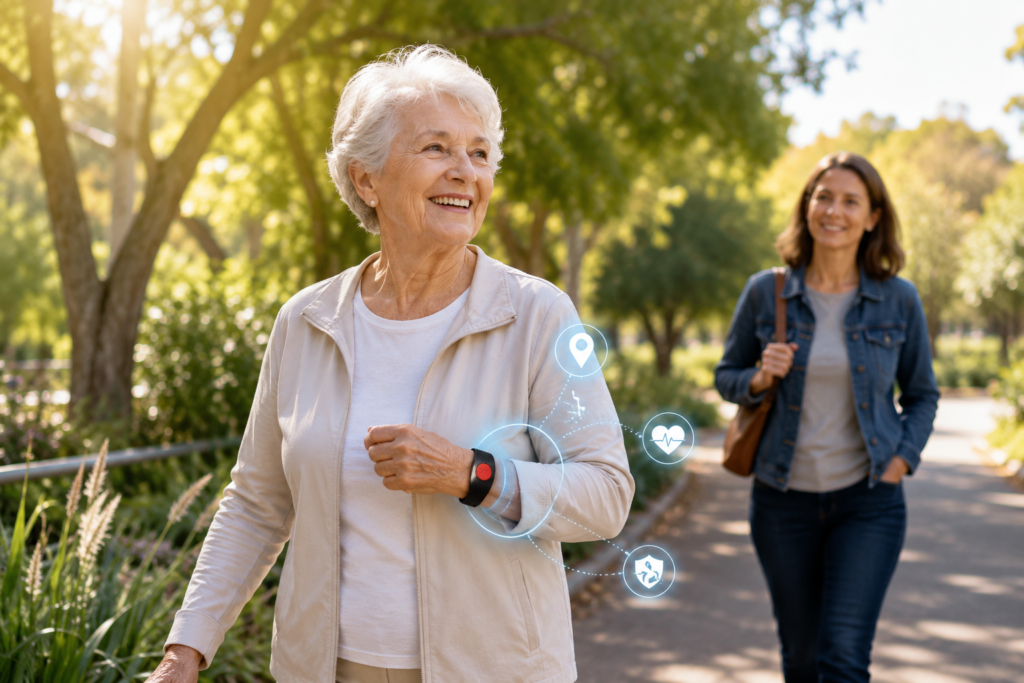
Features commonly found in modern senior safety devices include:
- GPS location tracking
- Automatic fall detection
- Emergency SOS alerts
- Health monitoring
- Geofencing and SafeZones
- Long battery life
- Easy-to-use interfaces
Unlike smartphones, they don’t rely on complex apps, notifications, or technical knowledge to function effectively.
Supporting Independence, Not Replacing It
Many families hesitate to introduce a personal safety device because they’re worried it may feel intrusive. In reality, the right device does the opposite.
It allows seniors to continue living independently while ensuring support is available when needed. Rather than restricting freedom, it provides confidence for both the wearer and their loved ones. The goal isn’t constant monitoring, the goal is peace of mind.
A Smarter Way to Protect the People You Love
If you’ve noticed any of these signs, now may be the right time to explore a personal safety solution.
The Saf O’ Me S11 Band was designed specifically for Australian seniors, caregivers, and families. With GPS tracking, automatic fall detection, health monitoring, SOS alerts, and an easy-to-use wearable design, it provides protection without sacrificing independence.
Explore the Saf O’ Me S11 Band and see how GPS tracking, fall detection and SOS alerts can help your loved one stay independent for longer: https://safome.au/product/s11-band/
Because independence should never come at the expense of safety.